| |
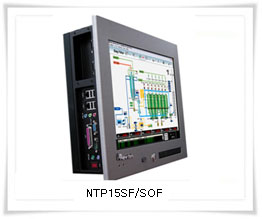
 NTP15SF/SOF NTP15SF/SOF |
| |
 |
|
 Touch Screen Method Touch Screen Method
 Field monitoring and control using T/S installed at Field monitoring and control using T/S installed at
the central part of incoming/distribution panel
- Measurement display status and breaker on/off
- Full avoidance of analog type devices at the field
Remote control at any place through network
- Use of website or LAN
Minute measuring at high accuracy (Grade 0.3) at
the field
- Needed in managing trouble point setting and
estimating and analyzing troubles
Analysis of wave type to expect and diagnose the
troubles of device
- Oscilloscope function and harmonic wave analysis
(connected with UMPC)
|
|
|
|
| |
 |
|
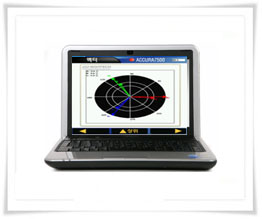
UMPC method (with attachment of irDA and
combination with digital measuring instruments)
Wide acceptance of display and provision of
graphic information
- Digital measuring instruments may collect various
kinds of information at real time but display is limited.
- MMI is slow and is difficult to provide various graphs
at the real time.
Sending/Receiving data to/from surroundings of
equipment through IfDA communication
- Real time measuring and setting is possible.
As being used at the field, prompt check at the
field is easy.
- It is difficult to manage MMI at the field and, in case
of graphs, it is difficult to collect the information at the
real time.
As a touch screen is applied, the operation is
convenient and various kinds of information may
be provided in graphs.
- Simple operation compared with complicated button
type
- Oscilloscope function and harmonic wave analysis
(2-31 wave)
Functions of UMPC
- Finding out wrong connection
- Checking DI/DO movement
- Setting relay elements
- Identification of abnormal sign and the cause of
equipment aging using harmonic wave analysis graph
- Establishment of future plan using demand trend
graphs
- Easy analysis of the cause of trouble occurrence
- Easy provision of information to non-experts and
non-professionals
|
|
|